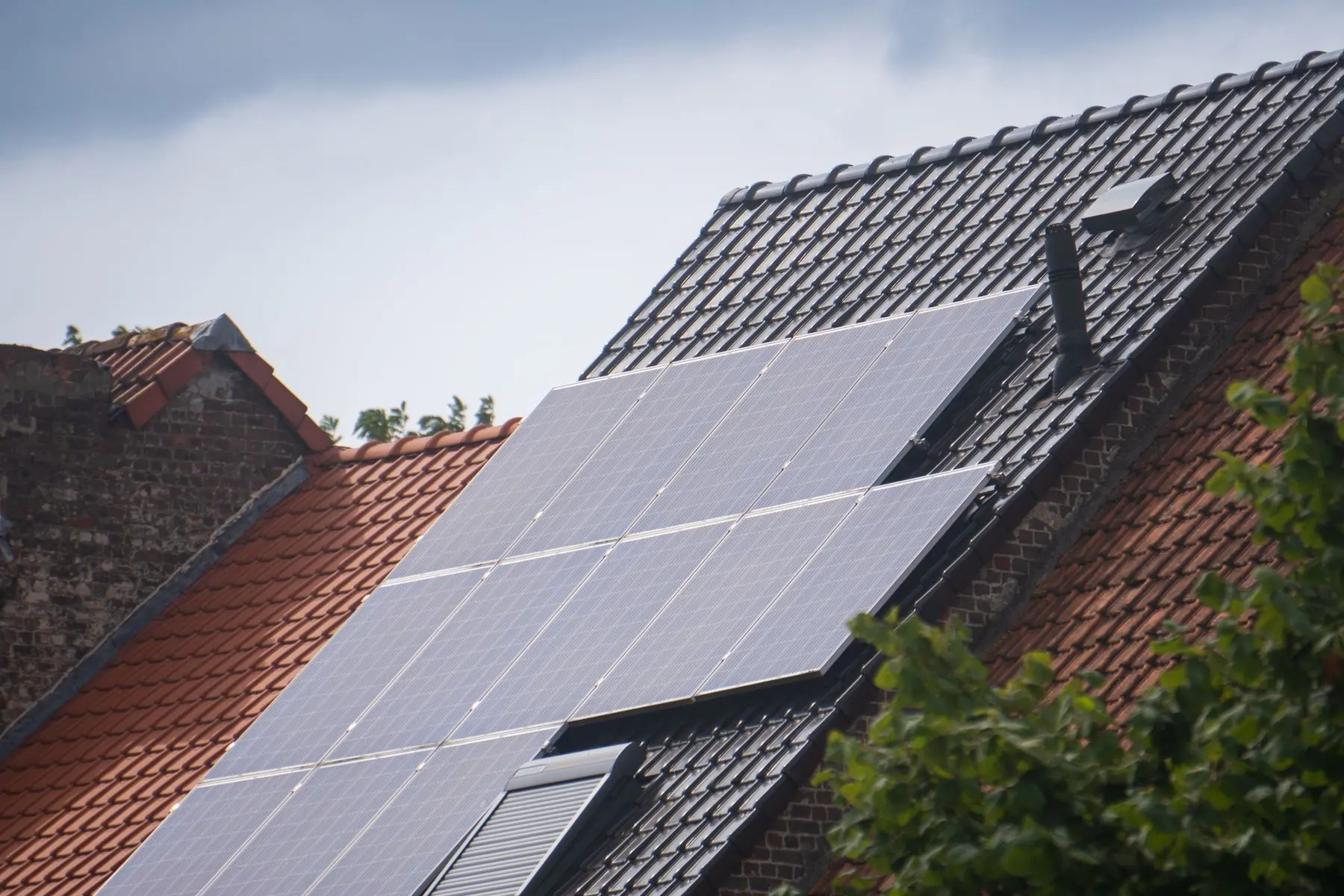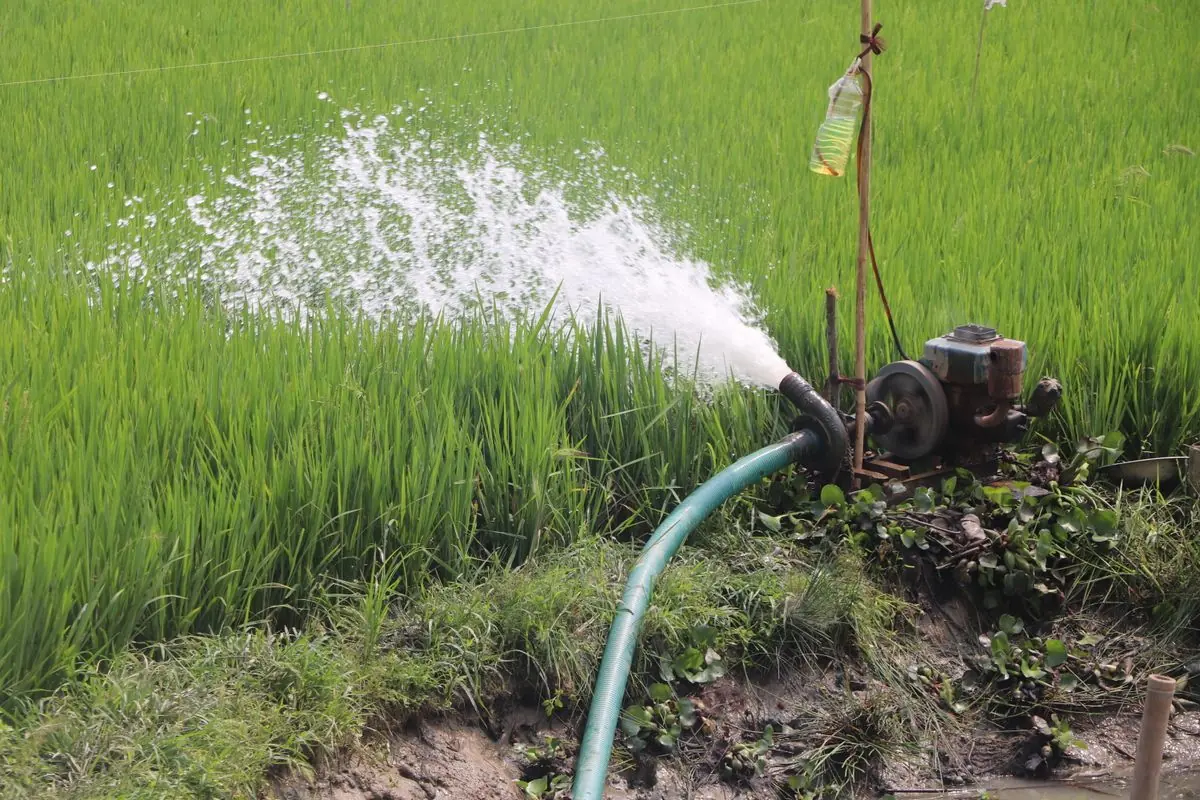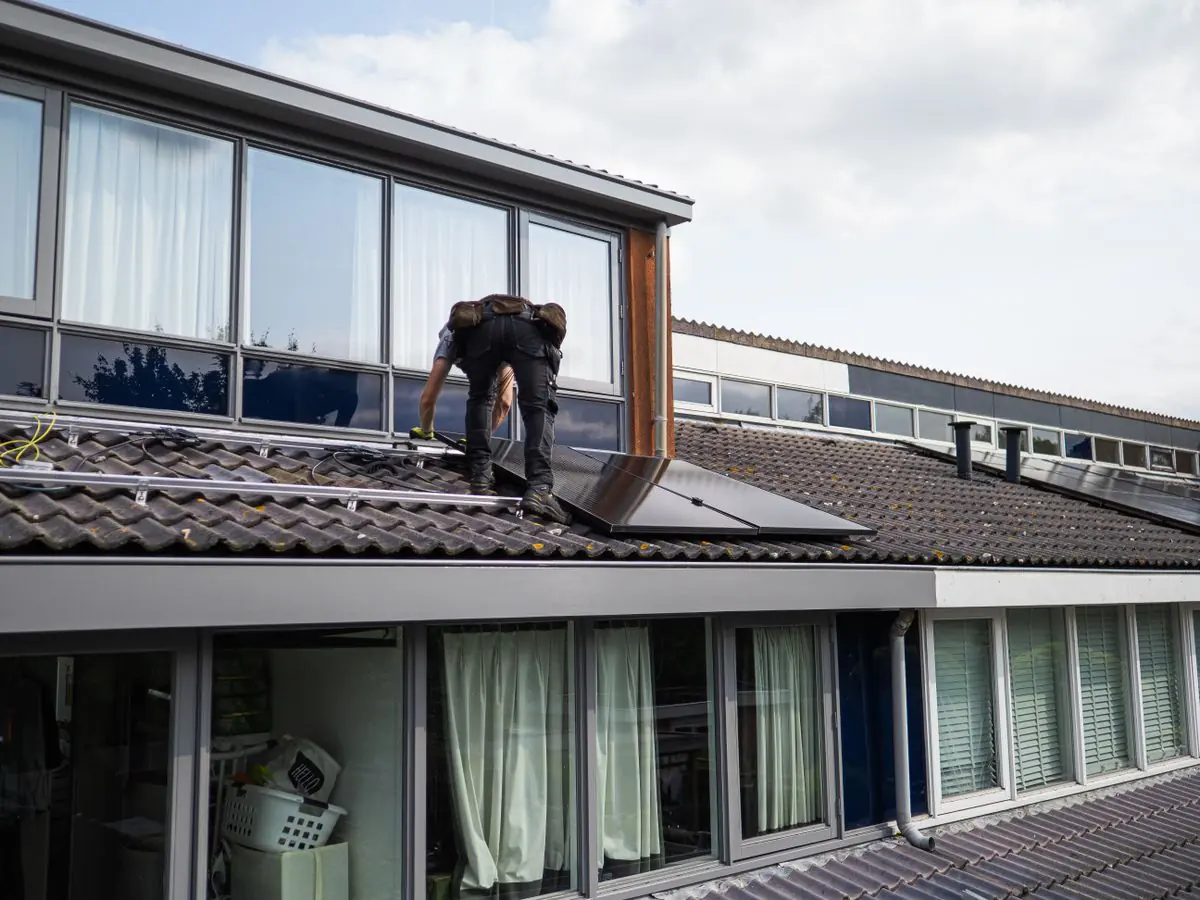
Homes get up to ₹78,000 from the central PM Surya Ghar scheme (₹30,000 per kW for 2 kW plus ₹18,000 for the third kW). Tamil Nadu has announced a further ₹22,000 for 3 kW homes, about ₹1 lakh in total. Apartments get ₹18,000 per kW for common areas, farmers can use PM-KUSUM for pumps, and businesses are not covered by the household subsidy but can use loans, depreciation and pay-per-unit models.
The subsidy landscape at a glance
| Who | Scheme | Support | State |
|---|---|---|---|
| Homes | PM Surya Ghar Muft Bijli Yojana | ₹30,000/kW for 2 kW, ₹18,000 for the 3rd kW; max ₹78,000 | Kerala and Tamil Nadu |
| Homes in Tamil Nadu | State top-up (announced 2026) | +₹22,000 for 3 kW and above | Tamil Nadu |
| Apartment associations | RWA / Group Housing Society component | ₹18,000/kW for common facilities, up to 500 kW | Both |
| Farmers | PM-KUSUM | About 30% central assistance, plus a state share for solar pumps | Both, quotas vary |
| Shops, institutions, industry | No household subsidy | Depreciation, loans, RESCO | Both |
The central scheme passed 50 lakh households in August 2026, so the process is well established, but demand has strained installers and meters.
PM Surya Ghar for homes
The central subsidy is credited to your bank account after your system is installed, the net meter is commissioned and the DISCOM inspects it. You must register on the national portal before installing, use a vendor registered on the portal and fit DCR (Indian-cell) modules. Off-grid systems are not covered. Read the step-by-step PM Surya Ghar guide and keep the document checklist ready.
The Tamil Nadu top-up for Kanyakumari
Tamil Nadu's revised 2026–27 budget announced ₹22,000 on top of the central ₹78,000 for a 3 kW home, ₹50 crore earmarked. Reports say applications opened on the TNPDCL portal from 21 September 2026; budget coverage does not state a start date, so confirm on the portal and never pay a 'subsidy advance'. Details for Kanyakumari homes are in the TNPDCL guide and the Kanyakumari cost and subsidy page.
Apartments and housing societies
Individual flats generally cannot claim the household subsidy on a shared roof. The association applies for ₹18,000 per kW for solar that powers lifts, pumps and common lighting. See the apartment guide and the 2BHK flat post.
Farms: PM-KUSUM
Standalone solar pumps can receive about 30% central assistance with a state share and the rest from the farmer or a bank loan. Quotas, agencies and caps differ in Kerala and Tamil Nadu, so apply through the agriculture department or ANERT. Use the PM-KUSUM guide and the pump calculator.
Businesses, institutions and industry
Commercial and industrial connections do not get the household subsidy. The savings come from higher commercial tariffs, plus depreciation for taxable entities, term loans and RESCO. A real example is in our industrial case study.
Financing the part the subsidy does not cover
Concessional bank loans are available for rooftop systems up to 3 kW (around 7% reported) and ordinary green loans for larger ones. A well-sized system's savings often cover the EMI. See the solar loan guide and the EMI calculator.
Common mistakes that cost people the subsidy
- Installing before applying on the portal
- Using an unregistered vendor or non-DCR modules
- Mismatch between the bill holder and bank account name
- Paying an agent for a 'subsidy advance'
- Choosing off-grid when the subsidy needs grid connection
Worked example: the same 3 kW home in Trivandrum and Nagercoil
The subsidy changes the maths more than any other single factor. Here is the same 3 kW home system in each state, using indicative numbers.
| Trivandrum (Kerala) | Nagercoil (Tamil Nadu) | |
|---|---|---|
| Gross system cost | ₹1.9 lakh | ₹1.9 lakh |
| Central subsidy | ₹78,000 | ₹78,000 |
| State top-up (announced) | None known | ₹22,000 |
| Net cost | ₹1.12 lakh | ₹0.90 lakh |
| Yearly generation | ~4,380 units | ~4,650 units |
| Yearly saving (₹7 / ₹6.5 per unit) | ~₹30,700 | ~₹30,200 |
| Simple payback | ~3.7 years | ~3.0 years |
Illustrative. Tamil Nadu's first 100 free units per bimonthly bill reduce savings for very small consumers. Use the calculator for your own bill.
Timeline: from application to subsidy credit
| Stage | Who acts | Typical time |
|---|---|---|
| Register on the national portal and apply | You (or installer) | 1 day |
| DISCOM feasibility approval | KSEB / TNPDCL | 1–3 weeks |
| Order, delivery and installation | Registered vendor | 1–3 days on site, 1–2 weeks lead time |
| Net-meter installation and inspection | DISCOM | 2–6 weeks (delays reported in 2026) |
| Commissioning report on portal | DISCOM / vendor | A few days |
| Subsidy credited to your bank account | Central scheme | About 30 days after commissioning |
Plan on three to four months from first enquiry to money in your account, and do not let your installer promise otherwise.
Eligibility checklist for homes
- A residential electricity connection in your name, with the consumer number on the bill.
- A roof or terrace you own or have the owner's written consent to use.
- A grid-connected (on-grid or hybrid with net metering) system, not battery-only.
- DCR modules from the approved list and a vendor registered on the portal.
- No earlier central subsidy claimed on the same connection.
- A bank account in the same name as the electricity connection.
If any of these is missing, fix it before you pay an advance. The document checklist lists what to keep ready.
Sequencing a loan and the subsidy
The subsidy arrives after commissioning, so most families need to fund the full price first and receive ₹78,000 later. Two practical ways to handle the gap: a concessional rooftop loan for the full amount, with the subsidy credit used to prepay principal; or a bridge from savings. Ask the bank whether it needs the subsidy approval letter, and whether prepayment is free. See the loan guide and try the EMI calculator with the net cost.
Scams and traps to avoid
- 'Subsidy advance' or 'registration fee' to an agent. The subsidy goes straight to your account; you pay no one to receive it.
- Look-alike websites and WhatsApp links. Type the portal address yourself and check the domain ends in .gov.in.
- Quotes that subtract the subsidy as a discount. That makes the real price look lower than it is and can leave you short when the subsidy is delayed.
- Unregistered vendors. Check the vendor on the portal before you sign.
- Non-DCR panels sold as 'subsidy eligible'. Ask for the DCR certificate and module serial numbers.
Questions to put to your installer
- Are you registered on the PM Surya Ghar portal and empanelled with KSEB / TNPDCL?
- Which DCR modules will you supply, and can I see the certificates?
- Who files the application and tracks the net meter, and how will I be updated?
- If the meter is delayed, what happens to my payment schedule?
- What exactly is excluded from the quoted price?
If you already have solar
The household subsidy is tied to a new installation applied for through the portal, so systems installed earlier, or outside the scheme, are generally not eligible retroactively. If you are expanding, ask the portal helpline whether the new capacity can be treated as a fresh application, and check whether the change affects your existing metering terms; see the net metering guide.
Keep up to date
Schemes change. Check the Solar Rules Checker for what applies to your property, and subscribe to the Solar Daily Brief for changes as they happen.
Sources and how we maintain this page
Reviewed on 2026-10-03 and re-checked monthly or when a rule changes. Where a figure comes from news or trade reports, the page says so.
- PM Surya Ghar national portal
- DT Next: Tamil Nadu Budget 2026 solar subsidy
- Energetica India: Tamil Nadu rooftop subsidy
- pv magazine: PM Surya Ghar passes 5 million households
- MNRE PM-KUSUM
- ANERT, Kerala