Clean panels every 4 to 6 weeks, check your inverter app monthly against about 4 units per kW per day (4.25 in Kanyakumari), and have a professional inspect earthing, connections and the inverter once a year. Neglect can cost 10–25% of output.
What reduces output
- Dust, pollen and bird droppings
- Moss and algae after the monsoon
- Salt film on the coast
- Growing tree shade
- Loose connectors, tripped breakers or inverter faults
A simple routine
- Monthly: check output in the inverter app.
- Every 4–6 weeks: clean with soft water and a non-abrasive wiper, early morning or evening.
- Yearly: professional inspection of earthing, torque, hotspots and inverter logs.
Full steps in the maintenance guide.
What output to expect
Annual average is about 4 units per kW per day in South Kerala and 4.25 in Kanyakumari, with a dip in June to August. The month-by-month guide shows what is normal. Use the Solar Rules Checker to compare your production with expectation.
Coast and wind
Salt and wind shorten the life of cheap installations. See wind, salt and the coast.
A maintenance calendar for Kerala and Kanyakumari
| When | What to do |
|---|---|
| Every month | Open the inverter app, compare output with the last two months, check for fault alerts. |
| Mar–May (pre-monsoon) | Clean thoroughly, trim branches, check mounting bolts and cable ties. |
| Jun–Aug (monsoon) | Expect lower output, avoid roof work in rain, check for leaks after storms. |
| Sep–Oct (post-monsoon) | Remove moss and algae, check drainage, test earth connections. |
| Every 4–6 weeks (coast) | Wash off salt film. |
| Once a year | Professional inspection: torque, thermal scan, earthing, inverter logs. |
How to clean safely
- Clean in the early morning or evening when panels are cool.
- Use soft water, a soft brush or squeegee, no harsh chemicals or pressure washers.
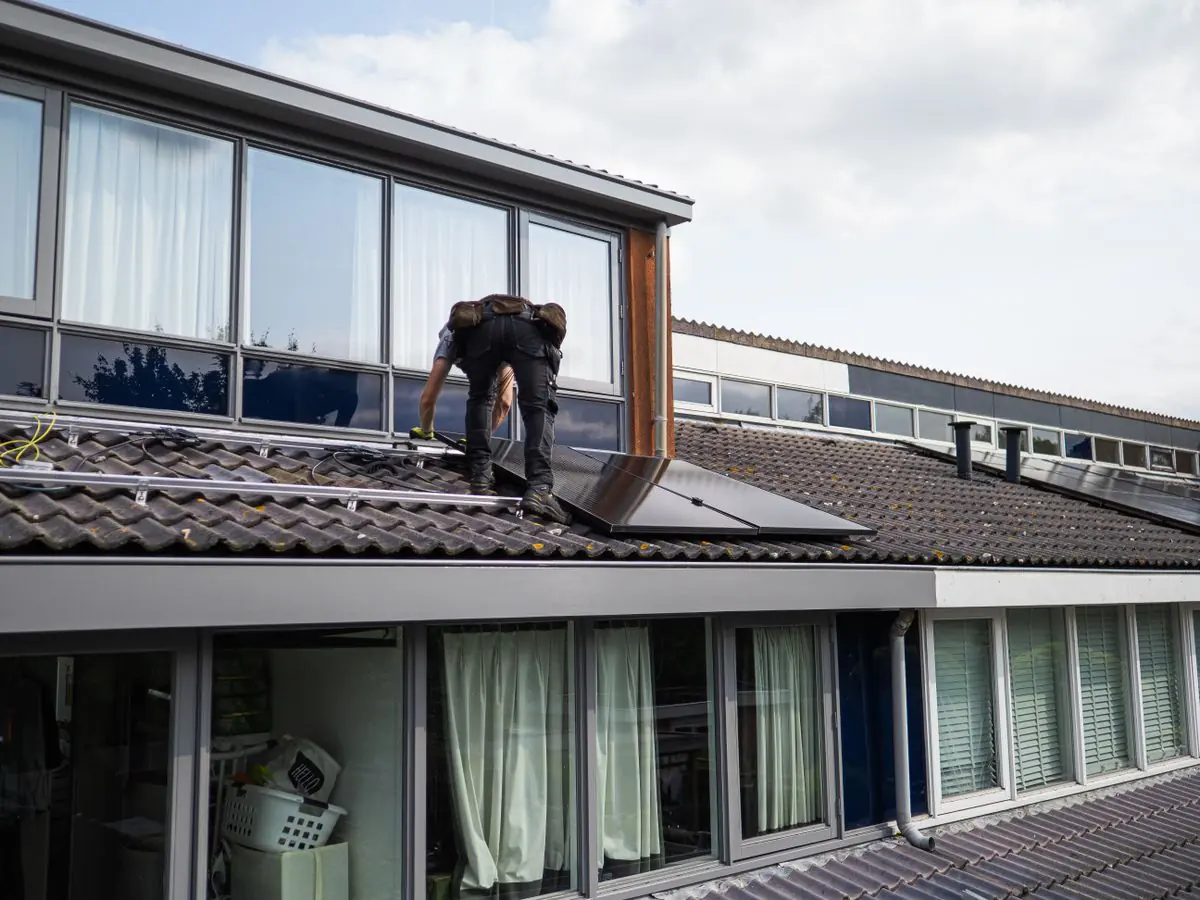
- Work from a safe position; never walk on wet roofs; use a harness on high roofs.
- Do not touch cables or the DC isolator.
- Take a before and after photo and note the output change.
If the roof is high or sloped, pay a professional. It is cheaper than a fall.
Reading your inverter app
| Number | What it tells you |
|---|---|
| Daily yield (kWh) | Compare with about 4 units per kW in Kerala (4.25 in Kanyakumari) on a clear day |
| Peak power (kW) | Should reach most of your rated capacity around noon on a clear day |
| Monthly yield | Track year over year to spot slow decline |
| Fault or warning log | Anything repeated needs a service call |
Troubleshooting guide
| Symptom | Likely cause | What to do |
|---|---|---|
| Output suddenly drops 20%+ | Shade, dirt or a tripped string | Clean, check shade, reset breaker, then call service |
| Zero output on a clear day | Grid outage, tripped breaker or inverter fault | Check grid supply and the breaker, then call service |
| Inverter shows error repeatedly | Earth fault, overvoltage or hardware | Record the code and call the installer |
| Slow decline over years | Soiling or normal degradation | Clean; expect about 0.4–0.7% per year |
| Burning smell or sparks | Loose connector or hotspot | Switch off, stay clear, call a professional immediately |
Warranties: who covers what
| Item | Typical cover |
|---|---|
| Panels | 10–12 year product, 25-year performance warranty |
| Inverter | 5–10 years, depending on brand and plan |
| Workmanship and structure | At least 5 years in writing |
| Batteries | 3–10 years depending on chemistry |
Keep invoices, serial numbers and photos. Lightning damage and theft usually need insurance rather than warranty.
What a good annual care plan includes
- Scheduled cleaning visits
- Remote output monitoring and alerts
- Thermal scan and connection torque check
- Earthing and surge-protection test
- Warranty claim handling and insurance support
Our Solar Health Check is built around this list.
Professional care
Our Solar Health Check covers cleaning, monitoring, fault detection and warranty support. Before roof work starts, use the roof-day checklist so the system starts healthy.
Sources and how we maintain this page
Reviewed on 2026-10-03 and re-checked monthly or when a rule changes. Where a figure comes from news or trade reports, the page says so.