A 3 kW home system costs about ₹1.7–2.1 lakh before subsidy, roughly ₹55,000–65,000 per kW for a complete DCR on-grid system. After the ₹78,000 central subsidy, the net cost is about ₹0.9–1.3 lakh (about ₹0.7–1.1 lakh in Tamil Nadu with the announced top-up), and payback is typically 3.5 to 5 years.
Price by system size
| System | Panels (540 Wp) | Indicative cost | Subsidy | Net cost (Kerala) | Yearly units |
|---|---|---|---|---|---|
| 1 kW | 2 | ₹0.6–0.7 lakh | ₹30,000 | ₹0.3–0.4 lakh | ~1,460 |
| 2 kW | 4 | ₹1.2–1.4 lakh | ₹60,000 | ₹0.6–0.8 lakh | ~2,920 |
| 3 kW | 6 | ₹1.7–2.1 lakh | ₹78,000 | ₹0.9–1.3 lakh | ~4,380 |
| 5 kW | 9–10 | ₹2.8–3.4 lakh | ₹78,000 | ₹2.0–2.6 lakh | ~7,300 |
| 10 kW | 18–19 | ₹5.3–6.2 lakh | ₹78,000 | ₹4.5–5.4 lakh | ~14,600 |
Tamil Nadu homes of 3 kW and above can add the announced ₹22,000 state top-up.
What is inside the price
The same headline number can mean very different things. A complete price covers DCR modules, a branded inverter, a galvanised or aluminium structure, copper cables, earthing and a lightning arrestor, net-metering paperwork, GST and transport. Read the breakdown in the 3 kW cost guide and why quotes differ in the price-per-kW post.
How big a system do you need
Size depends on your monthly units, not your house size. Divide your monthly units by about 120. The size chart maps 1BHK to villa, and the solar calculator sizes a system to take your bill near zero in Kerala or Kanyakumari.
Savings and payback
A 3 kW system generates about 4,400 units a year, worth ₹26,000–35,000 at typical tariffs. Payback is net cost divided by yearly saving, usually 3.5 to 5 years. See worked examples in how much can you save.
Costs people forget
- Sanctioned-load enhancement if you add an EV or large AC
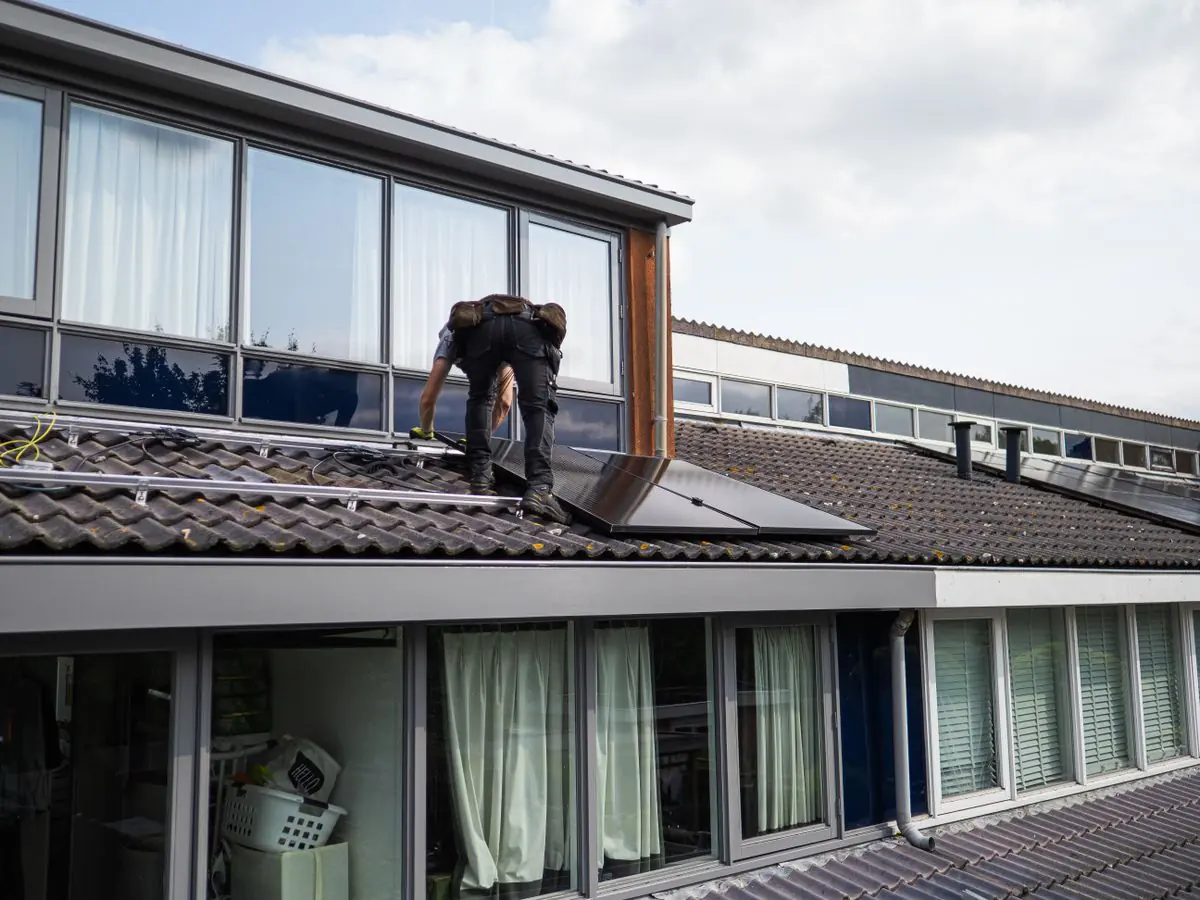
- Roof waterproofing and extra structure height on sloped or tiled roofs
- Battery cost if you choose hybrid (₹40,000–70,000 for a small bank)
- Inverter replacement once in 25 years
- Annual cleaning and checks: see the maintenance pillar
Cost by district
Prices are similar across the three districts; what differs is the subsidy and the engineering. See Trivandrum, Kollam and Kanyakumari.
Where the money goes: price ranges by component
| Component | Share of a typical 3 kW price | What changes the price |
|---|---|---|
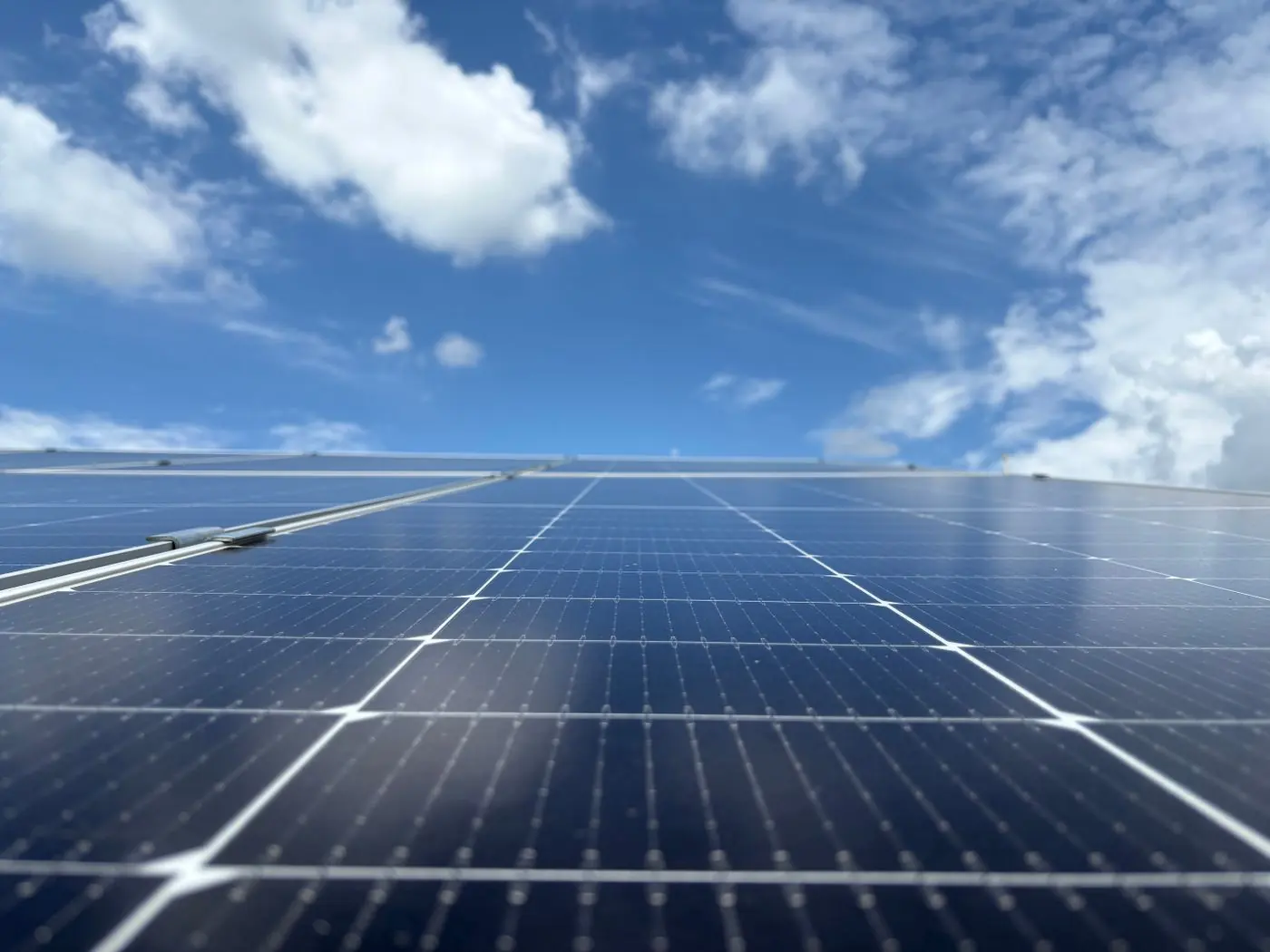
| Solar modules | 40–50% | DCR vs non-DCR, TOPCon vs PERC, brand, wattage |
| Inverter | 12–18% | Brand, phase, monitoring, warranty length |
| Mounting structure | 8–12% | Material, height, wind rating, roof type |
| Cables, protection, earthing | 8–12% | Copper quality, SPD, number of earth pits |
| Labour, transport, paperwork | 8–12% | Distance, roof access, who handles the DISCOM file |
| GST | As applicable | Reported 5% on solar devices since Sept 2025; check the invoice |
This is why a lower headline number often means a cheaper module or a thinner structure, not a better deal.
Why the cost per kW falls as systems grow
Some costs barely change with size: one inverter visit, one set of DISCOM paperwork, transport and supervision. Spreading them over more kW lowers the price per kW. A 1 kW system can cost ₹65,000–70,000 per kW while a 10 kW system may be ₹53,000–62,000. Do not read too much into this: your size should follow your consumption, not the price curve.
Roof type and site effects
| Roof | Effect on cost | Watch for |
|---|---|---|
| RCC flat terrace | Lowest | Waterproofing, tank-room shadows |
| Sloped tile roof | +₹3,000–8,000 per kW | Tile hooks, rafter strength, leak sealing |
| Metal sheet roof | +₹2,000–6,000 per kW | Clamp type, corrosion, wind uplift |
| Elevated structure over terrace | +₹4,000–10,000 per kW | Wind rating, foundations, usable shaded space below |
Single-phase, three-phase and sanctioned load
Small systems usually fit single-phase connections; larger ones need three-phase, and your sanctioned load limits the capacity you can connect. If you plan an EV charger or a second air-conditioner, ask KSEB or TNPDCL about load enhancement early, because it adds a fee and a step. See the glossary for terms.
Hybrid and battery costs
| Option | Indicative cost (3 kW) | Payback |
|---|---|---|
| On-grid | ₹1.7–2.1 lakh | 3.5–5 years |
| Hybrid with 5 kWh battery | ₹2.6–3.8 lakh | 6–9 years |
| Off-grid with battery | ₹2.8–4.0 lakh | Long, no net metering |
Choose a battery for resilience, not for savings. A small battery for fans, lights and a router is often enough. See on-grid vs hybrid.
A 25-year view of a 3 kW system
Assume a net cost of about ₹1.1 lakh, first-year saving of ₹30,700, panel degradation of 0.7% a year and tariff growth of 3% a year. Cumulative savings over 25 years come to roughly ₹10 lakh, or about nine times the net cost, even after allowing ₹30,000 to replace the inverter once. Real results vary with your tariff and shade, but the shape is the same: a few years to recover the cost, then two decades of near-free power.
How to read a quote line by line
- Module brand, model, wattage, quantity, DCR status.
- Inverter brand, model, rating, warranty years.
- Structure material, height and wind rating.
- Cable size, brand and length; ACDB / DCDB; surge protection.
- Earthing: number of pits, lightning arrestor.
- Paperwork scope: feasibility, net metering, subsidy.
- Payment schedule and what triggers each payment.
- Warranty documents and service response time.
Use the 12-point checklist to compare side by side.
How to get a fair quote
Compare two or three itemised written quotes using the 12-point checklist. Be careful with prices far below ₹55,000 per kW and with any quote that treats the subsidy as a 'discount'.
Sources and how we maintain this page
Reviewed on 2026-10-03 and re-checked monthly or when a rule changes. Where a figure comes from news or trade reports, the page says so.
- PM Surya Ghar national portal
- DT Next: Tamil Nadu Budget 2026 solar subsidy
- MNRE, Ministry of New and Renewable Energy