Check your monthly units, size the system (about 1 kW per 120 units), pick DCR modules and an on-grid or hybrid inverter, get two or three itemised quotes, apply for the subsidy and DISCOM approval before installing, and keep the system clean afterwards. Most homes pay back in 3.5 to 5 years.
Step 1: Check whether solar suits you
Good candidates have a shadow-free roof, bills above about ₹1,500 a month and a long stay in the house. Try the calculator and read the common myths. Renting? See the rented house post.
Step 2: Decide the size
Use the size chart. In Kerala, size for daytime use because of the net-billing rules; see the net metering pillar.
Step 3: Choose equipment
Compare modules (DCR, PERC or TOPCon), inverter brand and structure in best solar panels in Kerala, and decide between on-grid and hybrid. A normal home inverter is not solar; see solar vs UPS.
Step 4: Understand cost and subsidy
See the cost pillar and the subsidy pillar. Plan finance with the loan guide.
Step 5: Pick an installer
Use the quote checklist and our verified installer matching. District checklists: Trivandrum, Kollam, Kanyakumari.
Step 6: Approvals and installation
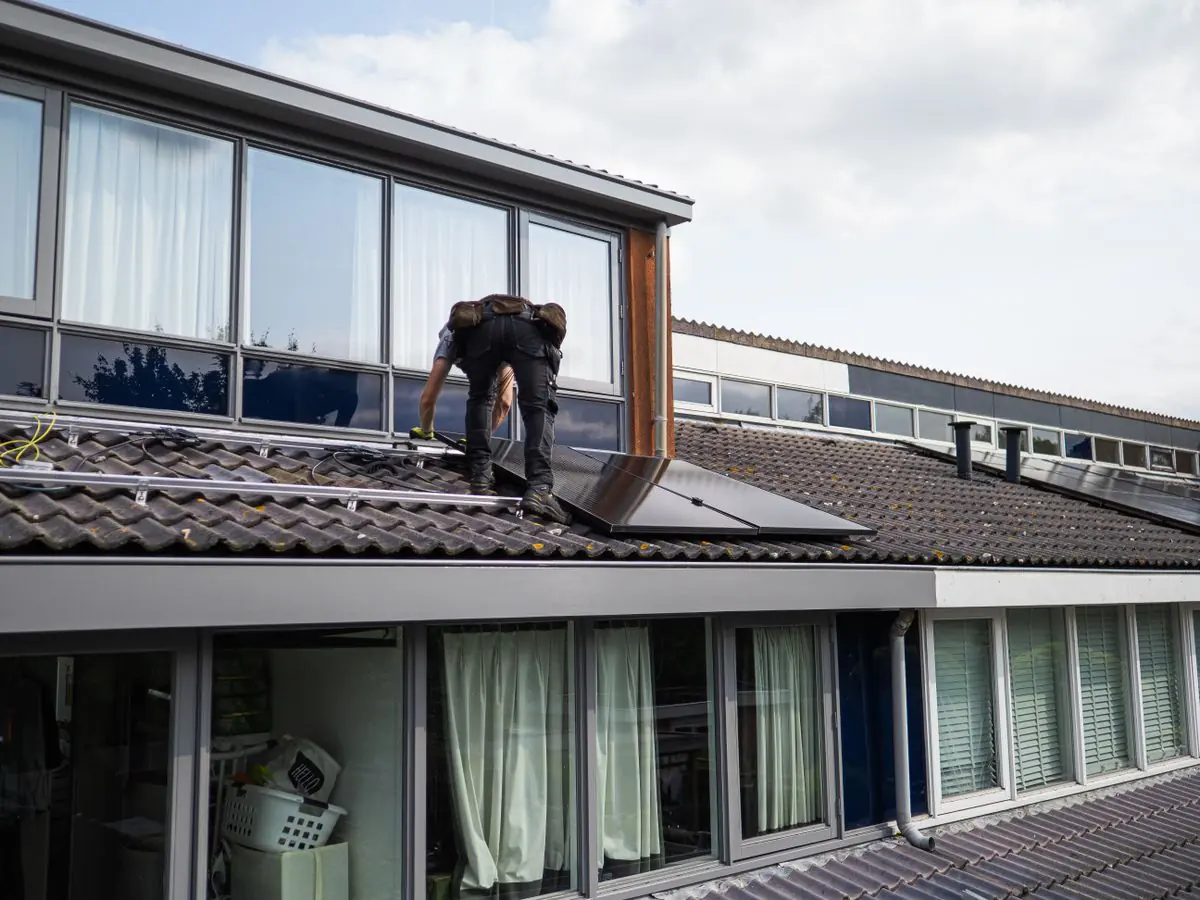
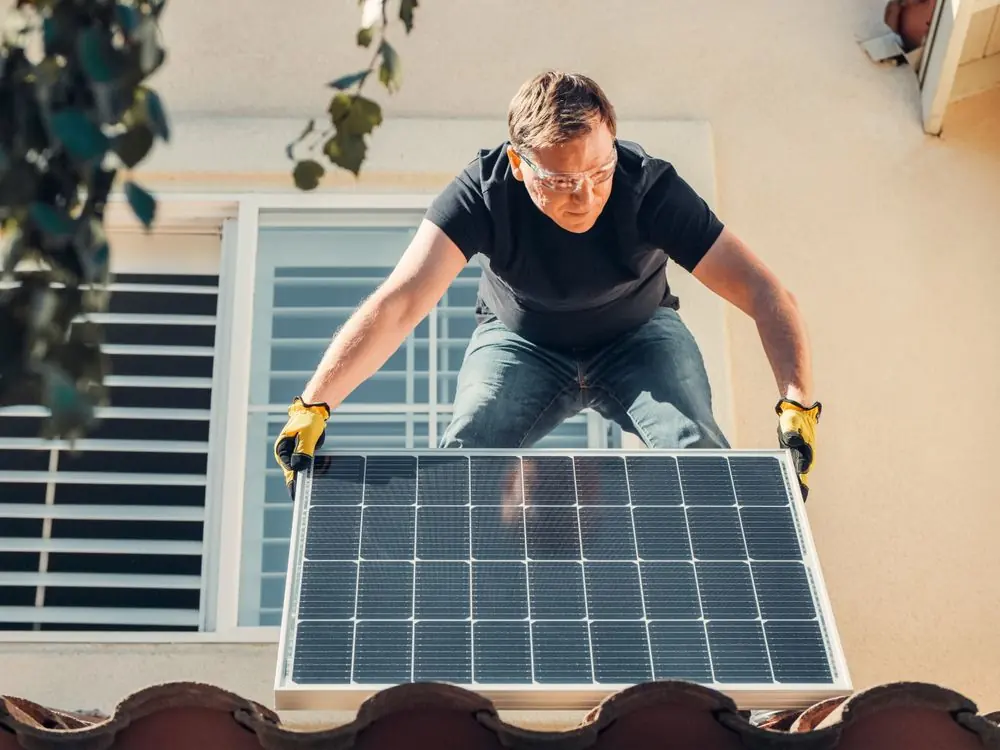
Follow the KSEB application guide or the TNPDCL guide, and use the roof-day checklist on installation day.
Step 7: Add an EV, or a villa-scale system
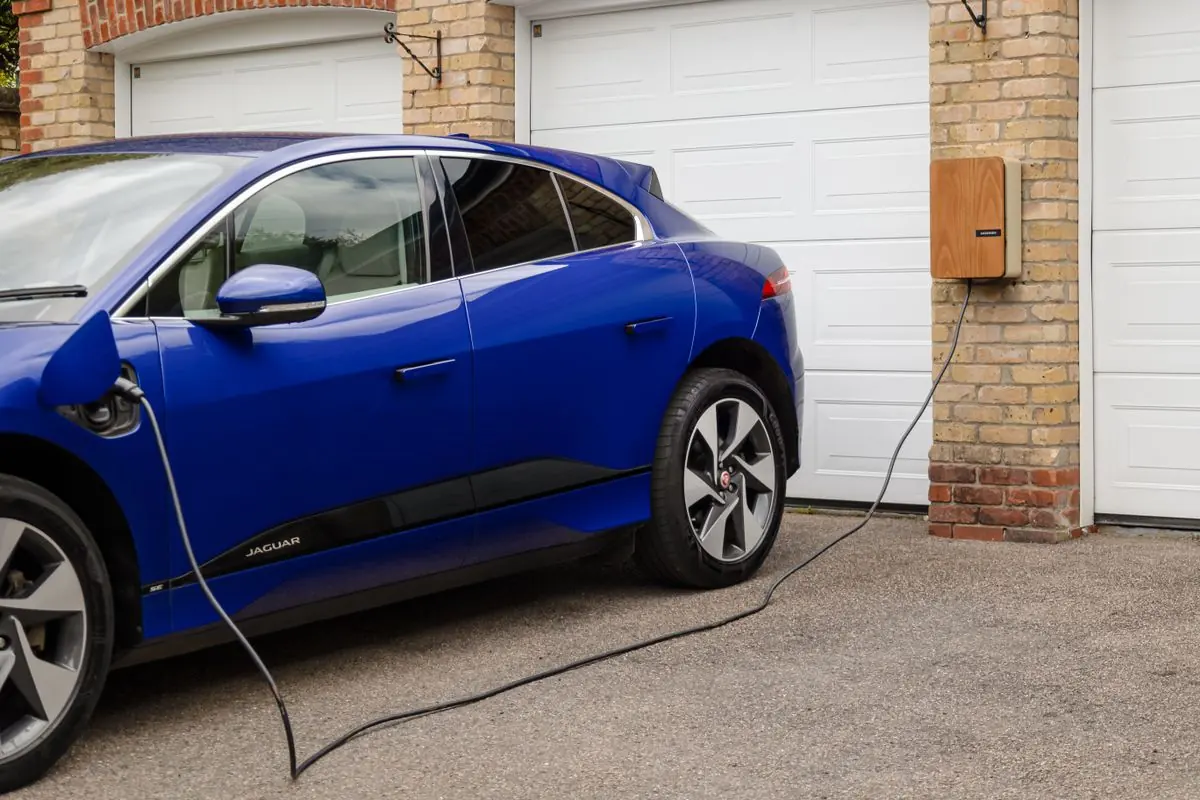
Pairing with an electric vehicle is natural: solar + EV guide. Large homes: solar for villas. Apartments: apartment guide.
Is your roof suitable? An 8-point check
- Shadow-free area: about 108 sq ft per kW between 9 am and 3 pm.
- Orientation and tilt: south-facing at 10–15° is ideal; east-west works at some loss.
- Shade: palms, tanks, parapets, neighbours' buildings.
- Roof strength: RCC is simplest; old tiled or sheet roofs need a check.
- Waterproofing: seepage should be fixed first.
- Access: safe stairs or ladder for installation and cleaning.
- Ownership: your name or written owner consent.
- Connection: phase, sanctioned load and a paid-up account.
Budget planner: three typical homes
| Home | System | Cost | Subsidy | Net cost | Yearly saving |
|---|---|---|---|---|---|
| 2BHK, 1 AC (250 units/month) | 2 kW | ₹1.3 lakh | ₹60,000 | ₹0.7 lakh | ₹17,000–20,000 |
| 3BHK, 2 ACs (450 units/month) | 4 kW | ₹2.3 lakh | ₹78,000 | ₹1.5 lakh | ₹32,000–38,000 |
| Villa with EV (800 units/month) | 8 kW | ₹4.5 lakh | ₹78,000 | ₹3.7 lakh | ₹60,000–70,000 |
Kerala examples; Tamil Nadu homes of 3 kW+ add the announced ₹22,000.
From enquiry to power: realistic timeline
| Week | What happens |
|---|---|
| 1 | Calculator, site visit, quotes |
| 2–3 | Choose installer, apply for subsidy and DISCOM feasibility |
| 4–5 | Approval, order, installation (1–3 days) |
| 6–10 | Inspection and net meter |
| 11–14 | Commissioning; subsidy credited after about 30 days |
After the install: your first month
- Register warranties and keep the invoice, serial numbers and photos.
- Install the inverter app and note a clear-day output as your baseline.
- Put cleaning reminders in your calendar.
- Read your first net-metered bill carefully and ask for help if it looks wrong.
- Tell your insurer about the system.
Common regrets, and how to avoid them
- Buying on price alone: use the quote checklist.
- Ignoring shade: ask for a shade study.
- Oversizing: under net billing, extra export earns little.
- Paying a subsidy 'advance': see the subsidy pillar.
- Never cleaning: follow the maintenance guide.
Special cases: apartments, rented homes, villas and coast
Flat owners should start with the association: apartment guide. Tenants need landlord consent: rented house post. Large villas should plan three-phase and EV charging: villa guide. Coastal homes need marine-grade hardware: coastal design.
Step 8: Look after it
Follow the maintenance pillar and consider a Solar Health Check.
Sources and how we maintain this page
Reviewed on 2026-10-03 and re-checked monthly or when a rule changes. Where a figure comes from news or trade reports, the page says so.
- PM Surya Ghar national portal
- SolarQuarter: KSERC renewable energy regulations
- DT Next: Tamil Nadu Budget 2026 solar subsidy