Quick answer
Institutions and businesses in Kollam typically install 20 to 200 kW and see payback in 3 to 5 years because commercial tariffs are higher than domestic ones. They do not receive the household subsidy, but can choose between buying outright, a term loan, or a zero-upfront RESCO model.
Who benefits most in Kollam
- Cashew processing units and small factories
- Clay and ceramics units around Kundara
- Fish processing and cold storage near Neendakara
- Hospitals, colleges and temple- or church-run institutions
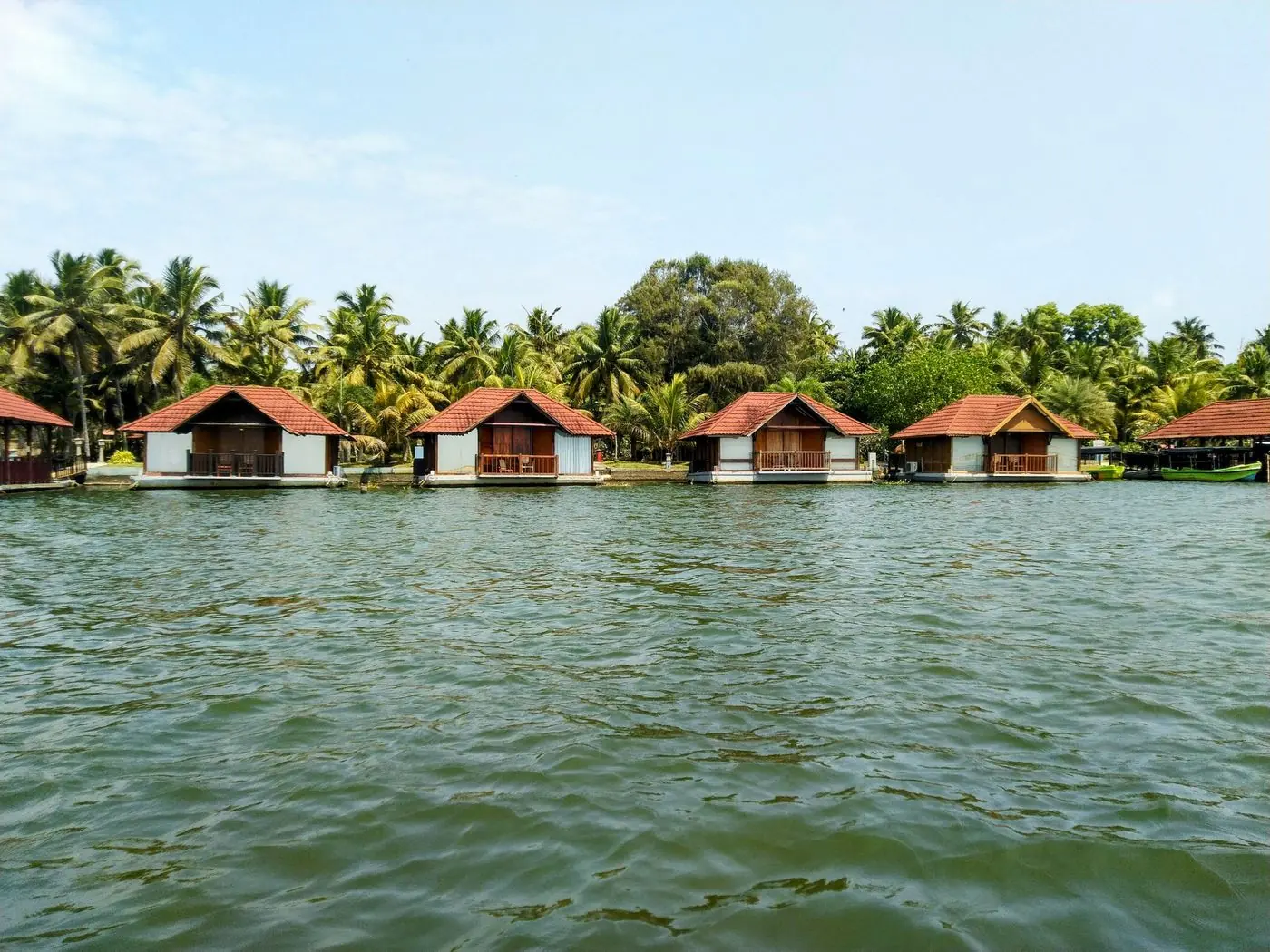
- Backwater resorts and homestays
Many of these loads run through working hours, which is when solar produces, so a large share of the power is used on the spot.
Three ways to fund it
| Route | Upfront | Best for |
|---|---|---|
| Buy outright (CAPEX) | ₹45,000–55,000 per kW | Organisations with funds or taxable income for depreciation |
| Term loan | Margin money only | Units whose monthly saving exceeds the EMI |
| RESCO / pay-per-unit | Zero | Trusts and institutions that prefer no capital outlay |
How a project runs
- Energy audit from 12 months of bills and a roof survey.
- ROI model comparing funding routes: use the institution ROI calculator and EMI calculator.
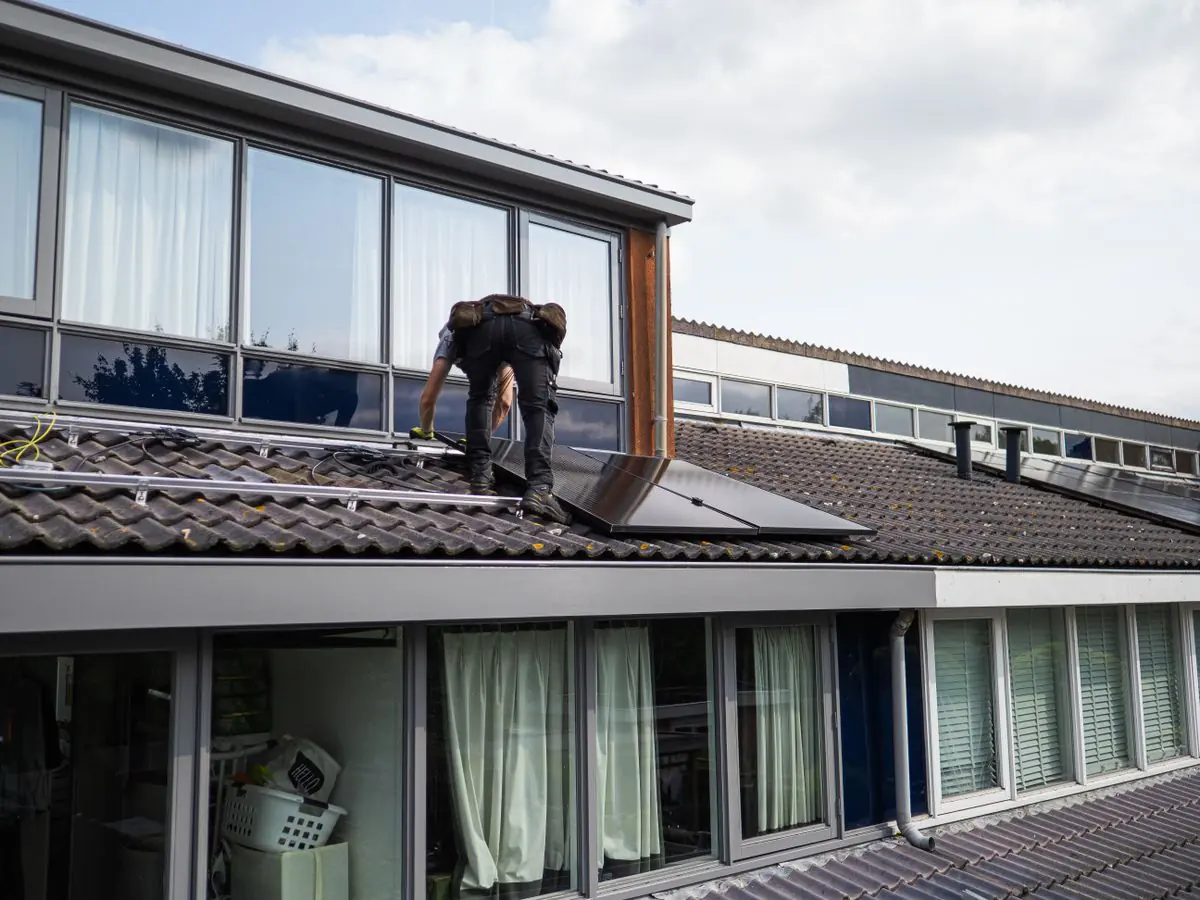
- Vendor shortlist and tender, then supervised installation.
- KSEB approval, commissioning and an annual Solar Health Check.
See our institutional solar service, the industrial project case study and solar in Kollam.